

School Supply Checklist for Edmonton Kids
Find out exactly what your child needs this year. We've broken down supplies by grade level so you know what to buy.
Read ArticleBack to school season brings excitement — and expenses. We'll walk you through a practical process for setting a realistic budget that covers supplies, tuition, and those surprise costs mid-year. This isn't about pinching pennies. It's about knowing where your money goes.
Published July 2026

Editorial Team
Written by the EduBudget Alberta editorial team, focused on practical, current guidance for school budgeting in Edmonton households.
The first step isn't complicated. Gather what you already know: How much did you spend last year? What did you buy? Did you end up needing things you didn't expect?
Look back at receipts, bank statements, credit card bills from August and September of the previous year. You're building a real picture, not a guess. If last year was your first time, talk to other parents in your situation. What did they actually spend? Not what they thought they'd spend — what they actually spent.
Write it down. Seriously. You'll spot patterns. Some families spend $300 on supplies. Others spend $800. Both can be right depending on school level, number of kids, and what your household prioritizes. There's no shame in any of it — you're just being honest about your situation.


Most families need to think about five main areas: school supplies (pencils, notebooks, backpack), clothing and shoes, technology (if required), fees and registration, and a buffer for mid-year surprises.
Supplies are straightforward if your school provides a list. You'll know exactly what's needed. Clothing gets trickier — kids grow, and you're buying for a full season. Don't underestimate this. Technology might mean a laptop, tablet, or nothing depending on the school. Fees cover registration, activity costs, and field trips. Then add 10-15% for things you'll forget: replacement calculator, new shoes by October, unexpected fundraiser.
Create separate line items for each. Don't lump everything together. When you see "$400 for supplies" and "$200 for clothing" listed separately, you can make real decisions about where to adjust if money gets tight.
This article is educational only and is not financial or investment advice. Your actual costs will depend on your child's school, grade level, and local prices. Outcomes and expenses vary by household circumstance.
Here's where planning gets practical. You know what you need to spend. Now figure out where it comes from. Some families set aside money monthly starting in May. Others use tax refunds or birthday money. Some get help from family. There's no right way — just be deliberate about it.
If you're stretched, you can space purchases. Buy shoes in July, supplies in August, winter clothing in September. This spreads the hit across multiple paychecks. It's not ideal, but it's better than panicking in August when everything's due at once.
Track what you've actually paid. Keep a simple spreadsheet or notes on your phone. Budget $200 for supplies? Write down the actual amount. $187? Great, you've got breathing room. $260? Now you know for next year.

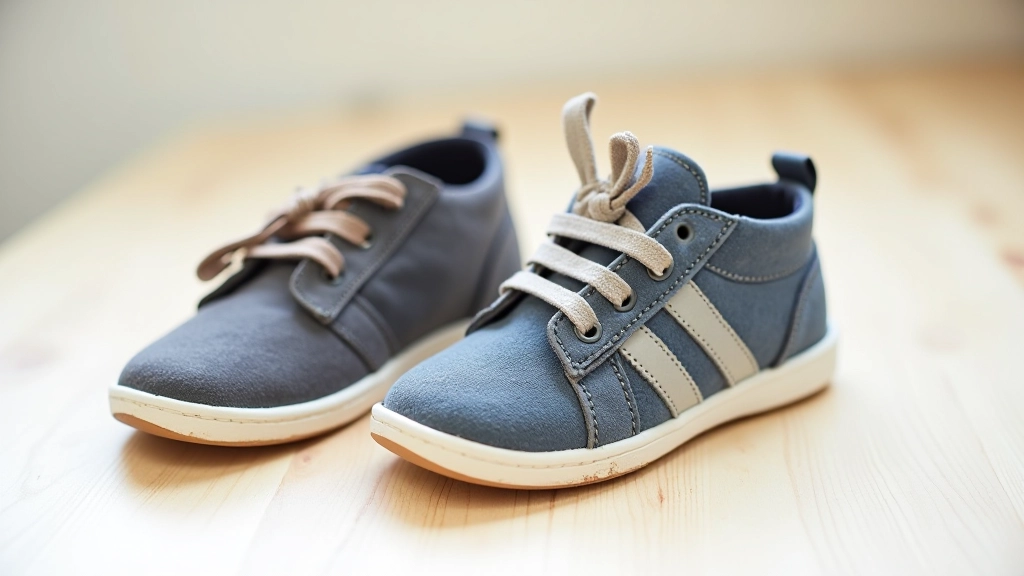
By November, something always happens. A growth spurt means new shoes. A field trip appears on the calendar. The science project needs supplies. That's why the buffer matters — not as a luxury, but as reality.
When something unexpected comes up, ask: Is this essential right now? Can it wait? Can we borrow or swap with another family? These aren't shameful questions. They're practical. Sometimes you'll find that the thing you thought was urgent can actually wait until the next paycheck.
Keep that buffer separate if you can. Don't spend it on other things. Think of it as insurance — it's there because you know something will come up.
A working budget isn't about being perfect. It's about knowing where your money goes and having a plan for it. You're not trying to impress anyone — you're trying to get your kids ready for school without panic.
Start by looking back. Break things down into real categories. Find the money. Track what you spend. Keep a buffer. That's it. It's straightforward, it works, and you'll actually stick to it because it's based on your real life, not some fantasy version.
Continue learning about back to school planning
Find out exactly what your child needs this year. We've broken down supplies by grade level so you know what to buy.
Read Article
Public school, private school, or alternative options? We compare actual costs and help you understand what to expect.
Read Article
Best stores for bulk purchases, timing your shopping, and what items are worth buying premium versions of.
Read Article